Home doesn’t feel finished after decorating—this is one of the most common frustrations homeowners face today. You may have invested in stylish furniture, beautiful wall décor, and trending accessories, yet your space still feels incomplete or visually off. This happens because decorating alone is not the same as proper interior styling. Without balance, focal points, correct lighting, and intentional finishing touches, even a well-decorated home can feel disconnected and unfinished.
If your home looks good individually but lacks overall harmony, you are not alone. In this blog, we will break down the real reasons why your home doesn’t feel finished after decorating and share practical, expert-approved solutions to help you create a space that finally feels cohesive, polished, and complete.
Content
1. Introduction: The ‘Almost There’ Feeling in Home Décor
You bought furniture, added curtains, and placed décor items—yet something feels incomplete
Why this is one of the most common frustrations among homeowners and renters
What “finished” actually means in interior design (not perfection, but cohesion)
2. Mistake #1: No Clear Theme or Design Direction
Mixing modern, traditional, and boho styles without intent
How lack of a visual story creates chaos
Solution: Choosing one dominant style and supporting accents
3. Mistake #2: Walls Feel Empty or Incorrectly Decorated
Blank walls vs. poorly placed wall décor
Common errors:
- Frames hung too high
- Random wall hangings with no alignment
Solution:
Balanced wall hangings and statement pieces
Wall art groupings
4. Mistake #3: Ignoring Vertical & Corner Spaces
Over-focusing only on tables and floors
Empty corners make rooms feel unfinished
Solution:
Floor décor
Tall showpieces
Indoor planters and lamps
5. Mistake #4: Poor Color Balance
Too many colors or too much neutrality
How color imbalance affects visual comfort
Solution:
Use cushions, frames, and small décor to correct imbalance
Follow the 60-30-10 color rule
6. Mistake #5: Lighting That Kills the Mood
One central light is not enough
Harsh white lighting vs. warm layered lighting
Solution:
Soft LED accents
Table lamps
Wall lights
7. Mistake #6: Furniture Is Right, Styling Is Wrong
Furniture without styling looks incomplete
Empty tables, shelves, and consoles
Solution:
Layering with candles, figurines, trays, and books
Rule of odd numbers in décor styling
8. Mistake #7: No Focal Point in the Room
ooms without a hero element feel forgettable
Examples of focal points:
- Statement wall frame
- Center table showpiece
- Large wall hanging
Solution:
Design one strong visual anchor per room
9. Mistake #8: Décor Has No Personal Touch
Homes look styled but not lived-in
Missing emotional connection
Solution:
Personalized photo frames
Couple showpieces
Spiritual or meaningful décor items
10. Mistake #9: Scale & Proportion Issues
Small décor in large rooms or oversized items in small spaces
Why proportion matters more than quantity
Solution:
Choosing décor sizes based on wall and furniture dimensions
11. Mistake #10: Rooms Are Decorated in Isolation
Each room looks good alone but not together
No visual flow across the home
Solution:
Repeating colors, materials, or motifs across rooms
12. Quick Checklist: Is Your Home Truly ‘Finished’?
Theme consistency
Balanced walls
Layered lighting
Styled surfaces
Personal elements
13. Final Thoughts: A Finished Home Is About Balance, Not Budget
Expensive décor doesn’t guarantee completion
Thoughtful placement and harmony do
Small changes can deliver big transformation
1. Introduction: The ‘Almost There’ Feeling in Home Décor
You have done everything that most people associate with “decorating a home.” The furniture is in place, the curtains are hung, the rugs are laid out, and the decorative items sit neatly on tables and shelves. On paper, your home looks complete. Yet, when you step back and take it all in, there is a lingering sense that something is missing. The space does not feel fully settled, polished, or emotionally satisfying. This is what many homeowners and renters describe as the “almost there” feeling in home décor.
This frustration is far more common than people realise. In fact, it affects first-time homeowners, renters in well-furnished apartments, and even those who have invested significantly in décor products. The issue is rarely about lack of effort or budget. Instead, it stems from a misunderstanding of what makes a home feel truly finished. Most people focus on buying items, but a finished home is about how those items work together.
For renters, this feeling is often amplified by limitations such as restricted wall modifications, temporary furniture, or the assumption that décor should be minimal because the space is not permanent. Homeowners, on the other hand, frequently experience it after moving in or renovating—once the major purchases are done, the house still feels more like a setup than a sanctuary. In both cases, the underlying issue is the same: decoration without cohesion.
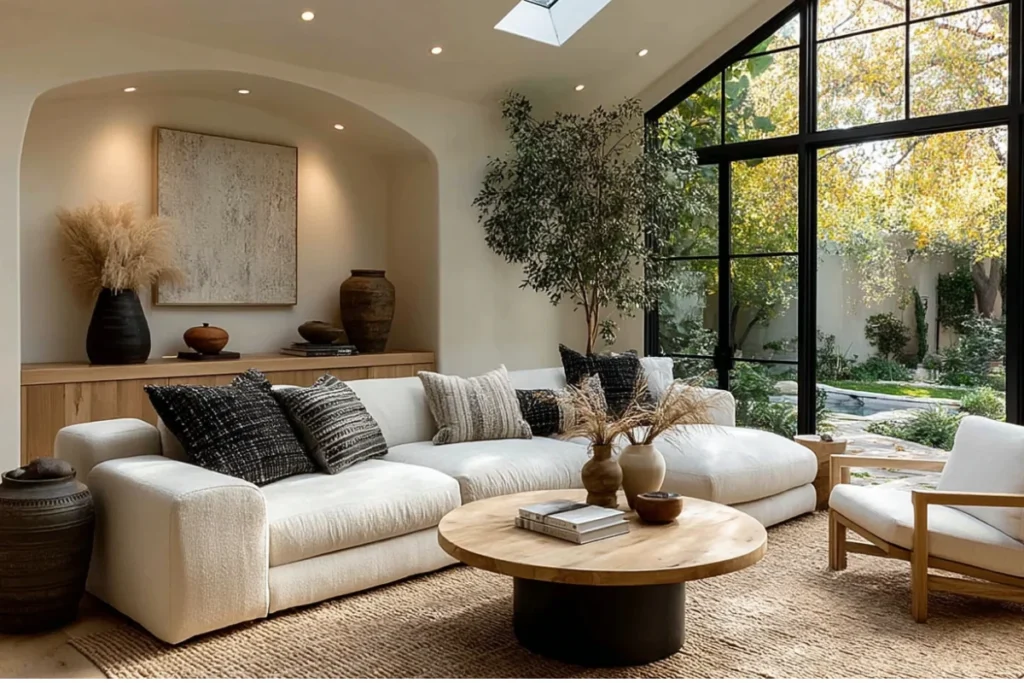
In interior design, a “finished” home does not mean perfection, nor does it mean filling every corner with décor. A finished space feels intentional. It has visual flow, balance, and a sense of completeness that makes the room feel calm and welcoming rather than cluttered or empty. Every element appears to belong where it is placed, even in the simplest or most minimal décor.
Cohesion is the key principle here. When colors, materials, proportions, lighting, and decorative accents complement one another, the home naturally feels complete. Without cohesion, even expensive furniture and trendy décor items can feel disconnected. This is why some homes with very little décor feel warm and resolved, while others with abundant décor still feel unfinished.
Understanding this distinction is the first step toward solving the problem. The goal is not to keep buying more items, but to recognize what the space is lacking structurally and emotionally. Once you begin to look at your home through the lens of cohesion rather than quantity, the reasons behind that “almost there” feeling become much clearer—and, more importantly, much easier to fix.
2.Mistake #1: No Clear Theme or Design Direction
One of the biggest reasons a home feels unfinished—even after decorating—is the absence of a clear theme or design direction. This often happens unintentionally. You may like modern furniture, admire traditional décor pieces, and occasionally pick up boho-style accents because they look attractive individually. However, when these styles are combined without a plan, the space begins to feel visually confusing rather than curated.
Mixing modern, traditional, and boho styles without intent creates a sense of disorder. For example, a sleek modern sofa paired with heavily carved traditional wall art and layered boho textiles can feel mismatched if there is no unifying element tying them together. Each piece may be beautiful on its own, but collectively they compete for attention. Instead of harmony, the room sends mixed signals, which subconsciously makes the space feel unsettled and incomplete.
The core issue here is the lack of a visual story. In interior design, every well-finished space tells a story—whether it is calm and minimal, warm and traditional, eclectic and artistic, or contemporary and refined. When a room lacks a story, the eye does not know where to rest. There is no natural flow from one element to another, and the space feels fragmented. This is why even fully furnished rooms can feel chaotic or “off,” despite having all the necessary components.
A clear design direction does not mean restricting yourself to a single rigid style. Rather, it means choosing one dominant style and allowing other styles to appear only as supporting accents. For instance, if your primary style is modern, traditional elements can be introduced subtly through textures or small décor pieces, while boho accents may appear in soft furnishings like cushions or throws. The dominant style sets the tone, and the supporting elements add character without overwhelming the space.
The solution lies in intentional selection and restraint. Start by defining the main style you want your home—or even a single room—to represent. Once that foundation is established, every décor decision becomes easier. You can ask simple questions such as: Does this item support my main theme? Does it enhance the overall story of the room? When the answer is yes, the space naturally begins to feel cohesive.
When a home has a clear design direction, it immediately feels more finished. The décor looks deliberate rather than accidental, and the space gains a sense of confidence and completeness. This single shift—from random mixing to intentional styling—often resolves the “unfinished” feeling more effectively than adding new furniture or décor items.
3. Mistake #2: Walls Feel Empty or Incorrectly Decorated

Walls play a defining role in how complete a room feels. Even with well-chosen furniture and décor, poorly treated walls can instantly make a space look unfinished. This problem usually appears in two extremes: completely blank walls or walls filled with décor that is placed incorrectly. Both scenarios disrupt visual balance and prevent the room from feeling settled.
Blank walls often create a cold, temporary feeling, as if the room is still waiting to be styled. They leave large visual gaps, making furniture appear disconnected from the space around it. On the other hand, poorly decorated walls can be just as damaging. Random frames, uneven spacing, or mismatched wall hangings introduce visual noise rather than interest. Instead of enhancing the room, the wall becomes a distraction.
One of the most common mistakes is hanging frames too high. When wall art is placed far above eye level, it breaks the natural visual connection between the furniture and the wall. The room starts to feel vertically stretched and unbalanced, as though the décor is floating rather than anchored. Another frequent error is using random wall hangings with no alignment or relationship to one another. Different sizes, styles, and frames placed without structure create a scattered look that lacks intention.
The solution is not to add more wall décor, but to add it strategically. Wall art groupings are one of the most effective ways to bring structure and completeness to a space. Whether it is a symmetrical arrangement or a curated gallery wall, grouping creates a sense of order. When multiple pieces are visually connected, the wall feels designed rather than decorated as an afterthought.
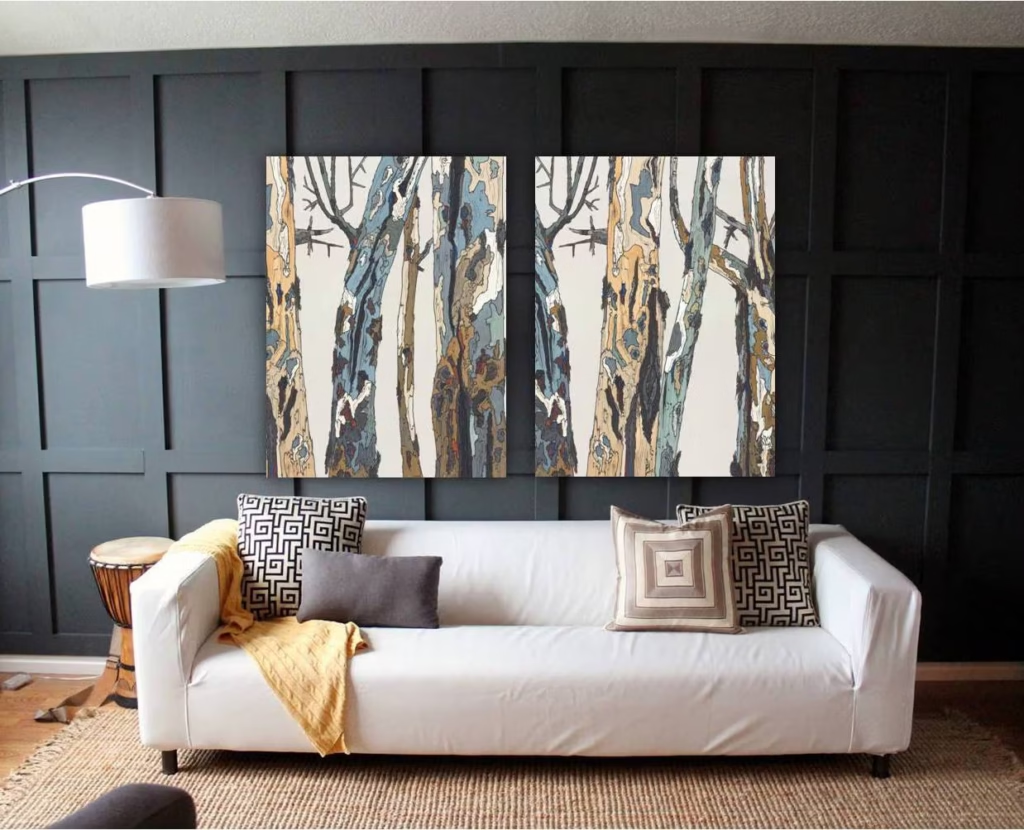
Balanced wall hangings and statement pieces also play a crucial role. A single large statement frame or wall hanging can anchor an entire wall, especially behind sofas, beds, or dining tables. Alternatively, balanced pairs—such as two frames or two decorative panels—can bring symmetry and calm to a room. The key is proportion: wall décor should relate to the size of the wall and the furniture beneath it.

When walls are treated with the same attention as furniture and lighting, the room immediately feels more cohesive and complete. Properly placed wall décor ties the space together, eliminates visual emptiness, and transforms a room from “almost done” to truly finished.
4. Mistake #3: Ignoring Vertical & Corner Spaces


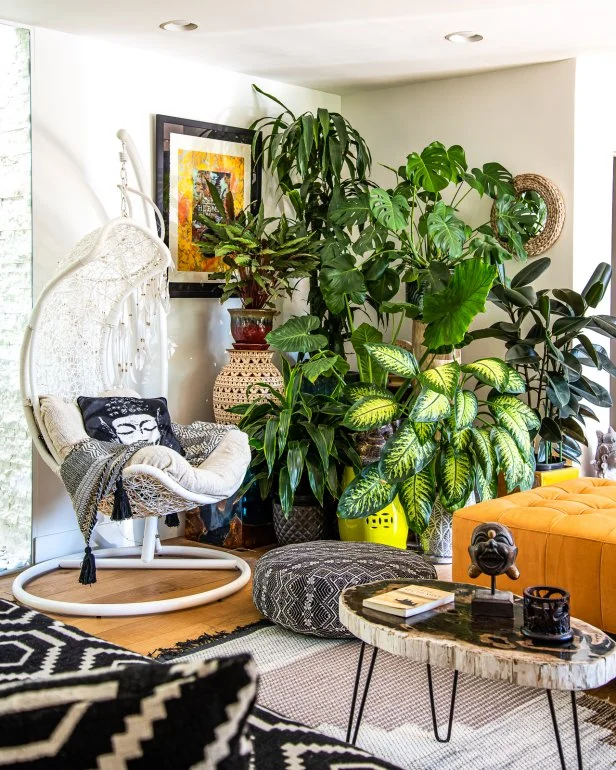

One of the most overlooked aspects of home décor is the effective use of vertical and corner spaces. Many people concentrate almost entirely on decorating horizontal surfaces—such as tables, shelves, and floors—while leaving corners and vertical zones empty. As a result, even a well-furnished room can feel incomplete and poorly balanced.
When décor is limited to tables and low-level furniture, the visual weight of the room stays concentrated near the ground. This creates a top-heavy emptiness, where the lower half of the room feels styled but the upper and side areas feel neglected. Empty corners, in particular, send a strong signal that the room is unfinished. They appear as dead zones with no purpose, breaking the visual flow and making the space feel smaller and less intentional.
This issue is common in both large and compact homes. In larger rooms, empty corners exaggerate the sense of unused space, making the room feel sparse rather than spacious. In smaller rooms, ignoring vertical space can make the layout feel flat and unbalanced, even if all essential furniture is present.
The solution lies in thinking beyond flat surfaces and incorporating elements that add height and structure. Floor décor is an excellent starting point. Items such as decorative floor sculptures, candle stands, or accent pieces help anchor corners and give them a defined role within the room.
Tall showpieces are particularly effective because they draw the eye upward, adding visual interest and dimension. They help bridge the gap between the floor and the walls, creating a more layered and complete look. Even a single tall piece placed thoughtfully in a corner can dramatically improve the room’s balance.
Indoor planters and lamps further enhance vertical spaces while adding warmth and functionality. Tall indoor plants soften harsh corners and introduce a natural element that makes the space feel alive. Floor lamps, on the other hand, add both height and layered lighting, contributing to ambiance as well as visual completeness.
When vertical and corner spaces are treated as design opportunities rather than leftover areas, the entire room begins to feel more cohesive. Proper use of height and corners ensures that décor flows naturally throughout the space, eliminating visual gaps and reinforcing a finished, well-considered interior.
5. Mistake #4: Poor Color Balance
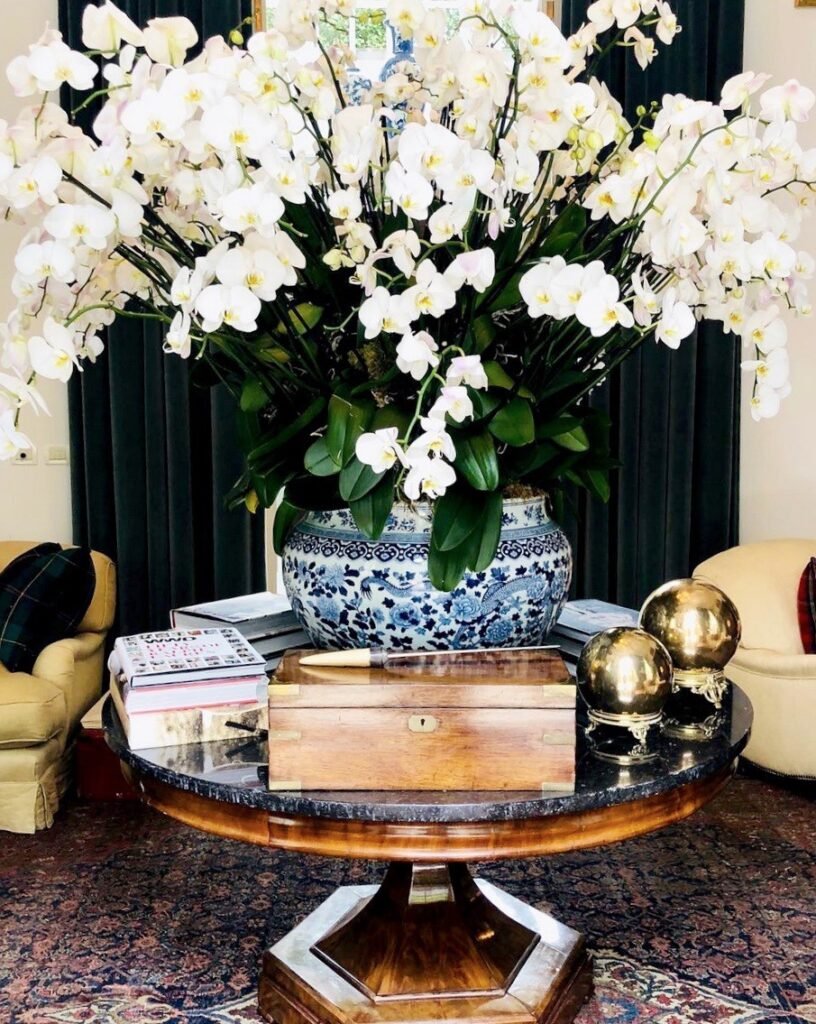
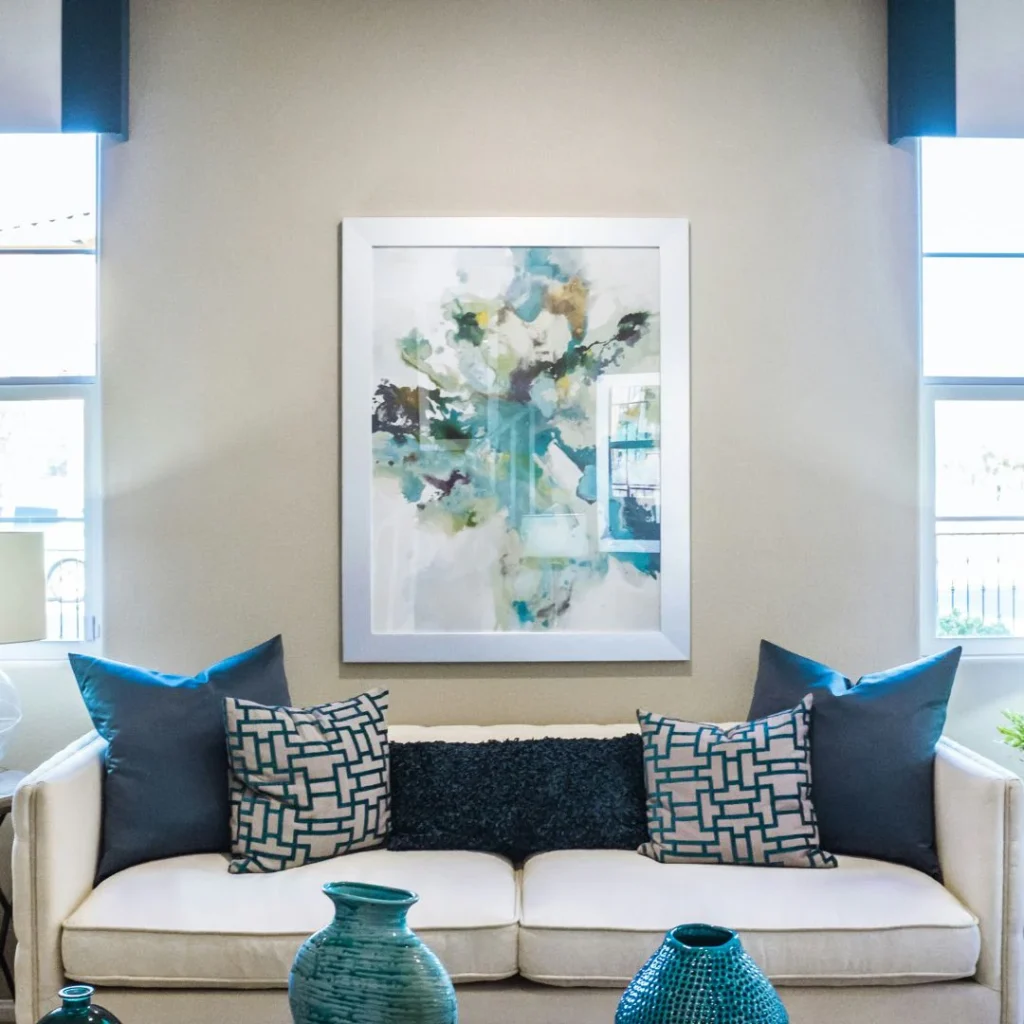
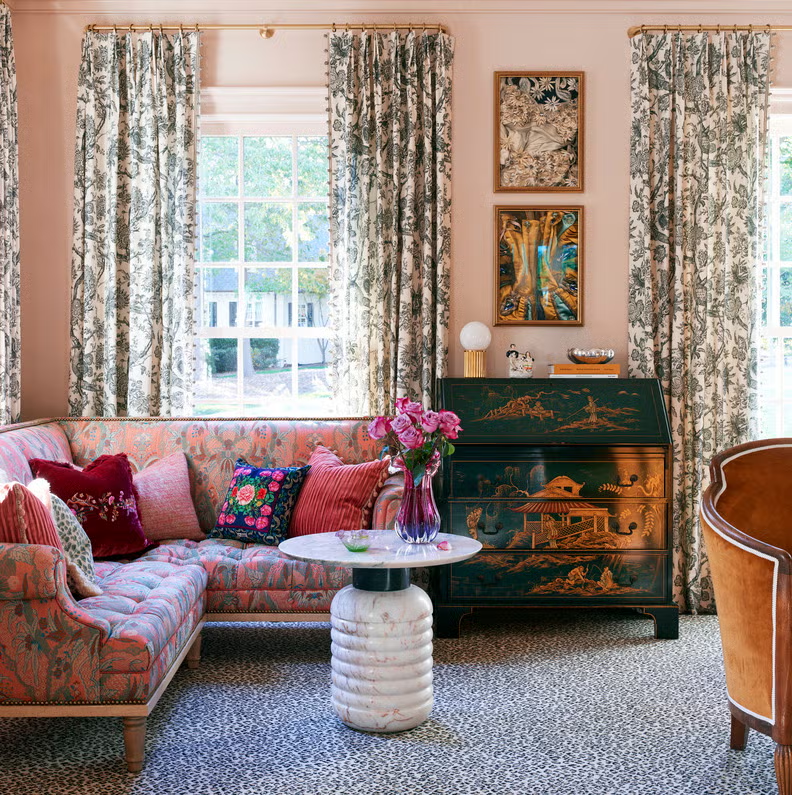
Color is one of the most powerful elements in home décor, yet it is also one of the most commonly misused. A room can have beautiful furniture and well-chosen décor pieces, but if the color balance is off, the space will never feel complete. This mistake usually appears in two opposite forms: using too many colors or relying too heavily on a single neutral palette.
When a room contains too many colors, the eye has no clear resting point. Every element competes for attention, creating visual chaos and mental fatigue. Bright cushions, contrasting curtains, bold wall art, and colorful rugs may look appealing individually, but together they can overwhelm the space. Instead of feeling lively, the room feels restless and unfinished.
On the other extreme, excessive neutrality can make a space feel flat and lifeless. Rooms dominated entirely by whites, beiges, or greys often lack depth and character. Without contrast or accent colors, the décor feels incomplete, as though the room is still waiting for its final touches. This is why many neutral homes feel “safe” but emotionally underwhelming.
Poor color balance directly affects visual comfort. Our eyes naturally seek harmony and rhythm in color distribution. When colors are either overcrowded or underrepresented, the space feels uncomfortable on a subconscious level. This discomfort is often interpreted as the room not feeling “done,” even if everything is technically in place.
The solution is structured color planning, and one of the most effective methods is the 60-30-10 color rule. This rule creates balance by dividing colors into three roles:
- 60% dominant color (walls, large furniture pieces)
- 30% secondary color (curtains, rugs, upholstery)
- 10% accent color (small décor and accessories)
This approach ensures that no single color overwhelms the space while still allowing enough contrast to keep the room visually engaging.
Small décor elements are the easiest way to correct color imbalance without major changes. Cushions, frames, and decorative accessories can introduce accent colors subtly and effectively. Swapping cushion covers, adding a contrasting wall frame, or placing a few coordinated décor items can instantly bring cohesion to the room. These minor adjustments often have a disproportionately large impact on how finished the space feels.
When color is balanced thoughtfully, the room becomes calm, cohesive, and visually satisfying. Instead of feeling busy or bland, the space achieves harmony—one of the strongest indicators of a truly finished home.
6.Mistake #5: Lighting That Kills the Mood

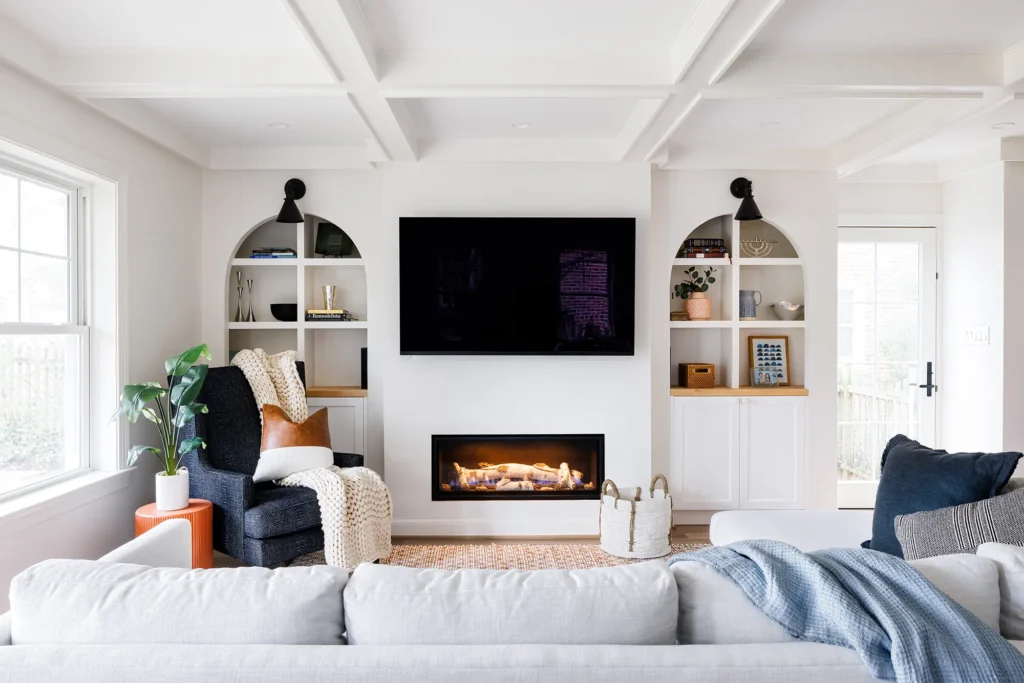


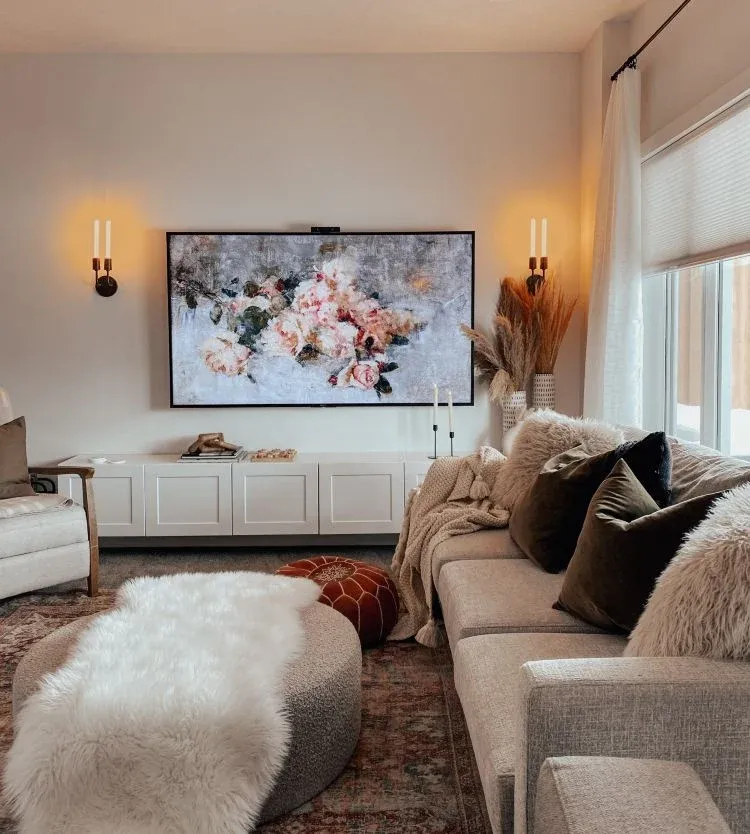

Lighting is one of the most underestimated elements of home décor, yet it has the strongest impact on how a space feels. Many homes look well-decorated during the day but feel dull, harsh, or uncomfortable at night. The primary reason is poor lighting planning. When lighting is not layered or thoughtfully placed, it can completely ruin the mood of an otherwise beautiful room.
One Central Light Is Not Enough
Relying on a single ceiling light is one of the most common mistakes in Indian homes. A central light may illuminate the room, but it does not create warmth, depth, or atmosphere. Instead, it produces flat lighting that makes the space feel unfinished and uninviting. Shadows become harsh, corners feel dark, and the room lacks visual dimension.
A well-finished home requires lighting at multiple levels—eye level, table level, and accent level—to create balance and comfort.
Harsh White Lighting vs. Warm Layered Lighting
Another major issue is the overuse of harsh white lights. While white lighting may seem practical, it often makes living spaces feel clinical and cold, similar to offices or hospitals. This type of lighting highlights imperfections and drains the room of its cozy, lived-in feel.
Warm, layered lighting, on the other hand, creates emotional comfort. It softens the space, adds depth, and makes rooms feel welcoming and complete. Layered lighting allows you to control mood—bright when needed, calm and relaxing when desired.
Solution: Layered Lighting for a Finished Look
The key to fixing lighting issues is layering different light sources instead of depending on just one.
- Table lamps add warmth and intimacy, especially in living rooms and bedrooms. They help soften harsh lighting and make seating areas feel cozy.
- Wall lights provide balanced illumination and enhance vertical spaces, preventing walls from feeling empty or flat.
- Soft LED accents work as finishing touches. LED strips behind TVs, shelves, or headboards add subtle glow and elevate the overall ambience without overpowering the room.
When lighting is layered correctly, the home instantly feels calmer, warmer, and more complete. Proper lighting does not just help you see better—it helps you feel better in your space.
7. Mistake #6: Furniture Is Right, Styling Is Wrong
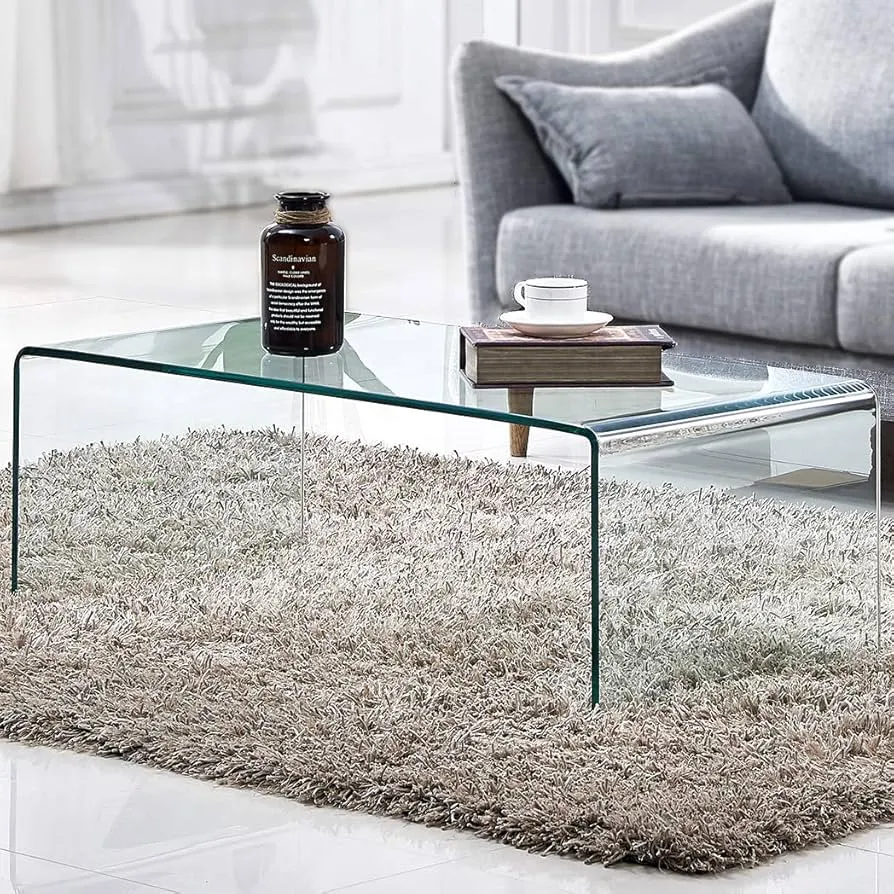


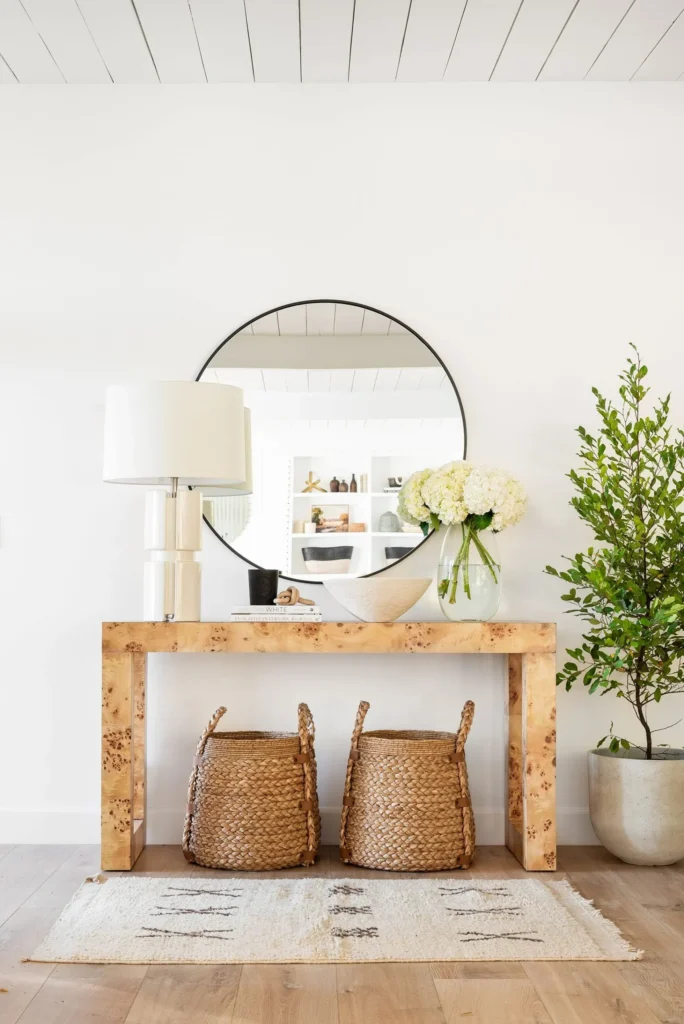

Many homes look incomplete not because of wrong furniture, but because of missing styling. Sofas, tables, shelves, and consoles may be perfectly chosen and well-placed, yet the room still feels empty or unfinished. This happens when furniture exists without thoughtful styling to support it.
Furniture provides structure, but styling gives it life. Without styling, even premium furniture can feel cold, flat, and temporary—almost like a showroom setup rather than a lived-in home.
Why Furniture Alone Is Not Enough
When tables, shelves, and consoles are left empty, the room lacks visual layers. Empty surfaces create dead zones where the eye finds nothing interesting to engage with. This makes the space feel under-designed and incomplete, even though all major furniture pieces are present.
Common problem areas include:
- Coffee tables with nothing on them
- Side tables left bare
- Shelves that feel sparse or uneven
- Console tables without any decorative purpose
These empty spots break visual flow and reduce the sense of warmth in a room.
Solution: Layered Styling for a Finished Look
The key to fixing this issue is layering. Layered styling adds depth, balance, and personality to furniture surfaces.
- Candles introduce warmth and soft visual rhythm
- Figurines or small showpieces add character and emotion
- Decorative trays help group items neatly and avoid clutter
- Books add height, structure, and a lived-in feel
Rather than placing items randomly, think in layers—varying height, texture, and shape to create interest.
The Rule of Odd Numbers in Décor Styling
One of the simplest yet most effective styling principles is the rule of odd numbers. Grouping décor items in odd numbers (three or five) feels more natural and visually pleasing than even groupings.
For example:
- Three items of different heights on a coffee table
- A tray with one candle, one figurine, and one small plant
- Five mixed objects on a console table
Odd-number groupings create balance without symmetry, which makes the space feel relaxed and intentionally styled rather than rigid.
When furniture is styled thoughtfully, the room instantly feels warmer, richer, and complete. This small shift—from placing furniture to styling it—often makes the biggest difference in how finished a home feels.
8. Mistake #7: No Focal Point in the Room


One of the biggest reasons a room feels forgettable and unfinished is the absence of a clear focal point. A focal point is the visual anchor of a room—the first element your eyes naturally land on when you enter the space. Without it, the room may look decorated, but it lacks identity and impact.
Rooms without a hero element feel visually scattered. Every item gets equal attention, which actually results in no item standing out. This creates confusion for the eye and makes the space feel bland, temporary, or poorly planned—even if the décor itself is good.
Why a Focal Point Matters
A focal point gives the room direction and hierarchy. It tells the story of the space and establishes balance. When a room has a strong focal element, all other décor pieces naturally fall into place around it. Without one, décor feels randomly placed rather than intentionally designed.
This is why some rooms feel memorable and magazine-worthy, while others are instantly forgettable. The difference is not budget—it is focus.
Common Examples of Effective Focal Points
- Statement wall frame:
A large or visually striking wall frame behind a sofa, bed, or dining table immediately anchors the room and draws attention upward. - Center table showpiece:
A bold centerpiece on the coffee table acts as a visual magnet in living rooms, especially when seating is arranged around it. - Large wall hanging:
Oversized wall hangings or artistic panels create strong visual impact and define the personality of the space.
Each of these elements works because they are intentional, proportionate to the space, and placed where the eye naturally travels.
Solution: Design One Strong Visual Anchor per Room
The solution is simple but powerful: one room, one hero element. Decide what you want to stand out the most, and design the rest of the room to support it—not compete with it.
Once the focal point is established:
- Keep surrounding décor subtle
- Repeat its colors or materials in smaller accents
- Avoid overcrowding the focal wall or surface
When a room has one strong visual anchor, it instantly feels structured, confident, and complete. This single design decision often transforms a space from “decorated” to truly finished.
9. Mistake #8: Décor Has No Personal Touch


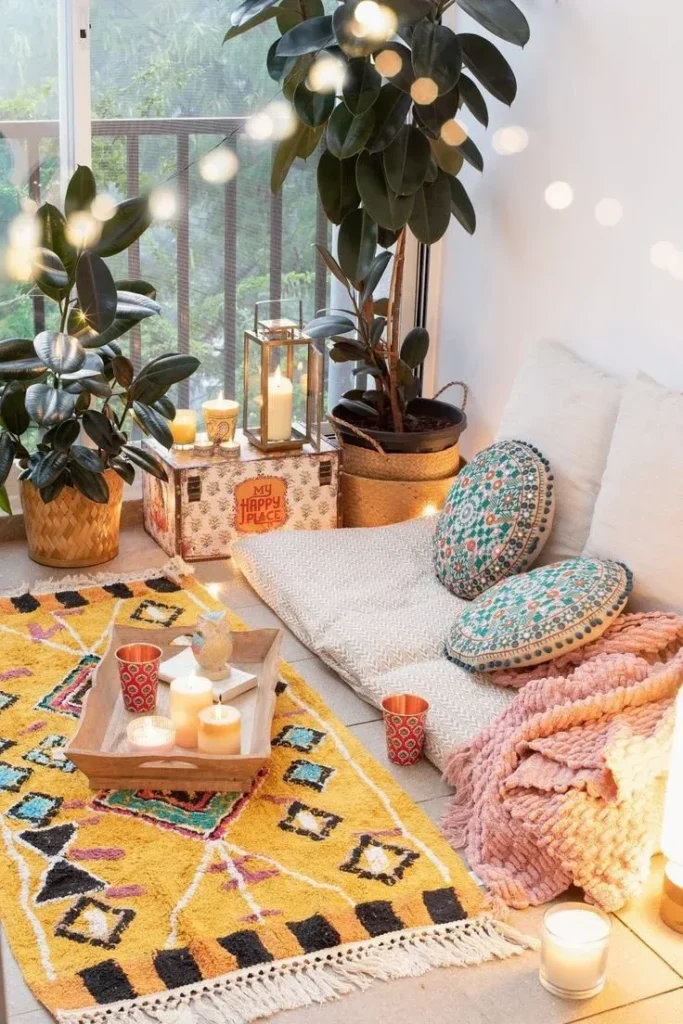

A home can be beautifully styled and still feel emotionally empty. This happens when décor focuses only on aesthetics and trends, but ignores personal meaning. Such homes may look impressive at first glance, yet they lack warmth and connection. They feel styled, but not truly lived-in.
When décor has no personal touch, the space does not reflect the people who live there. It feels generic—similar to a hotel room or a catalog setup. Over time, this emotional disconnect becomes one of the biggest reasons a home never feels fully finished, no matter how much décor is added.
Why Emotional Connection Matters in Home Décor
A finished home is not just visually pleasing; it feels comforting and familiar. Personal elements create that sense of belonging. They tell stories, evoke memories, and make a space feel uniquely yours. Without them, the décor remains surface-level—beautiful, but forgettable.
This is why homes that strictly follow trends often feel cold, while simpler homes with meaningful décor feel warm and complete. Emotional connection is what transforms a house into a home.
Solution: Add Meaningful, Personal Décor Elements
The solution is to intentionally include décor that reflects relationships, beliefs, and memories.
- Personalized photo frames
Displaying personal photographs instantly humanizes a space. Whether placed on a wall, console, or shelf, photo frames add warmth and create emotional anchors within the room. - Couple showpieces
Decorative couple figurines or showpieces symbolize relationships, togetherness, and shared journeys. They work especially well in living rooms and bedrooms, adding both visual interest and emotional depth. - Spiritual or meaningful décor items
Spiritual idols, symbols, or culturally meaningful pieces bring a sense of peace and purpose to a home. These items often act as emotional focal points, grounding the space and adding positive energy.
When personal décor is layered thoughtfully with existing styling, the home begins to feel authentic and complete. These elements do not need to dominate the room; even a few meaningful pieces can dramatically change how a space feels.
A home feels finished not when every corner is decorated, but when every space reflects the people who live in it.
10. Mistake #9: Scale & Proportion Issues
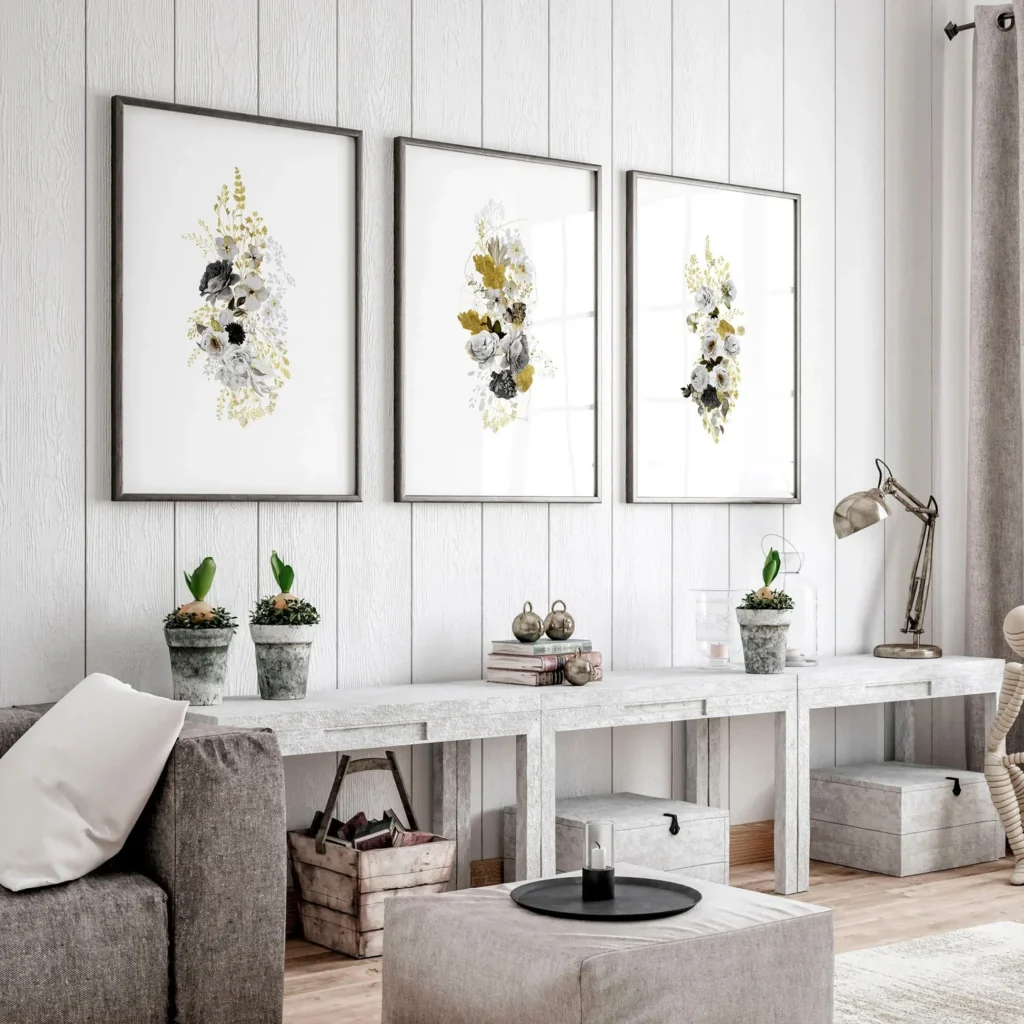
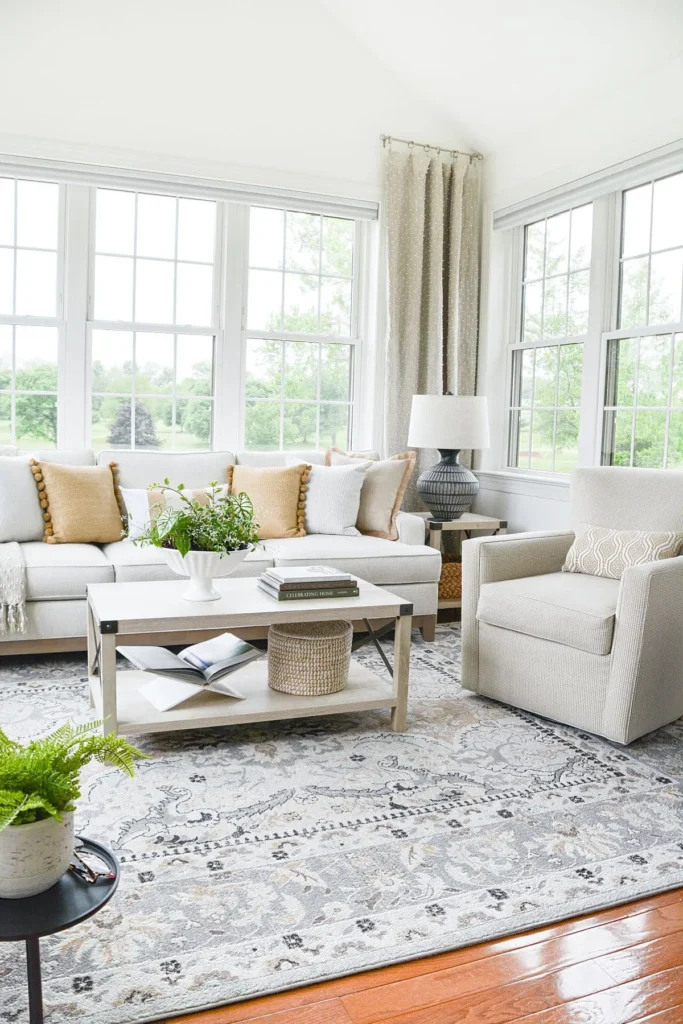
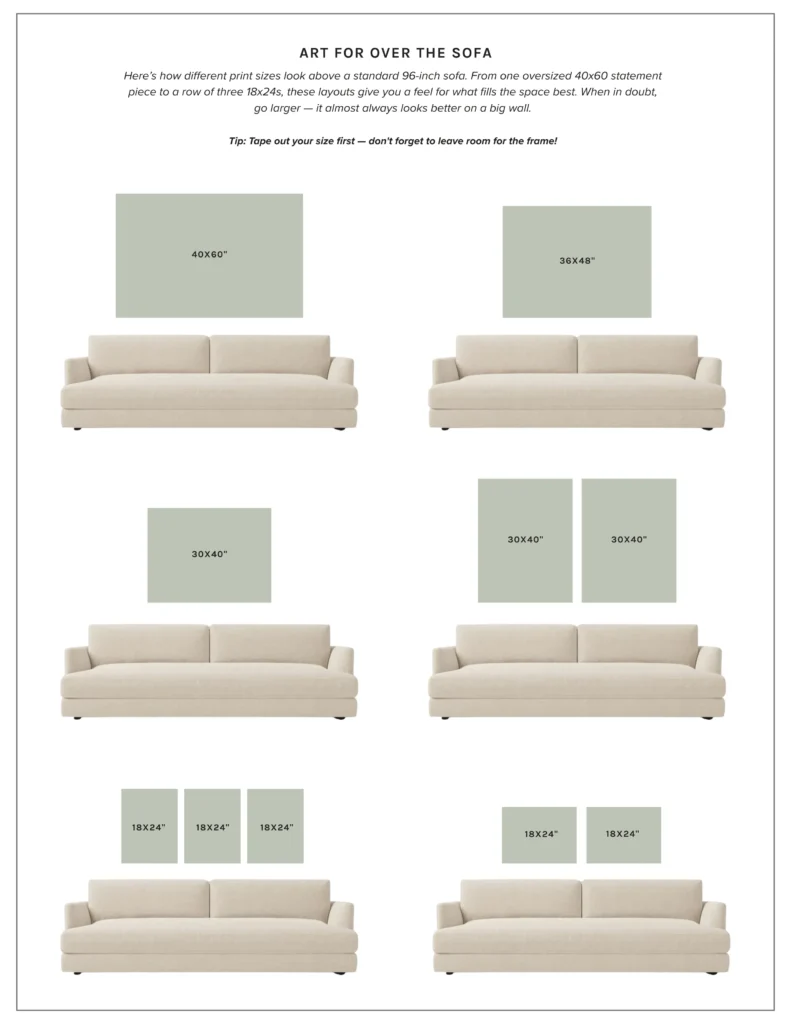
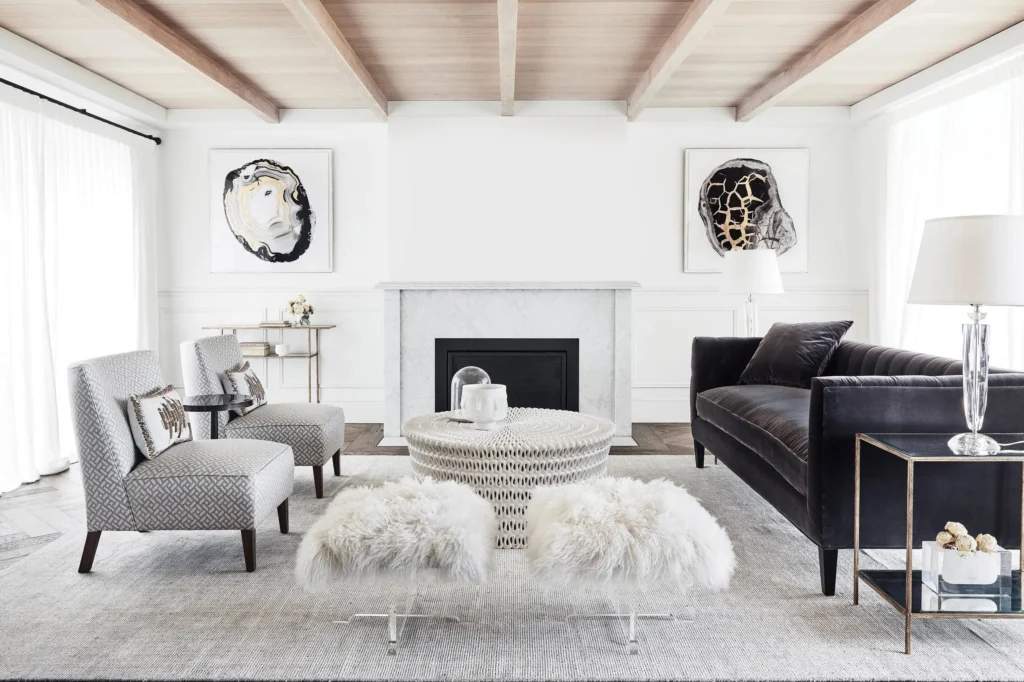

One of the most subtle yet impactful décor mistakes is choosing the wrong size of decorative items for a space. Even when colors, furniture, and styling are done correctly, poor scale and proportion can make a room feel awkward, unbalanced, and unfinished. This usually shows up in two common ways: very small décor in large rooms, or oversized décor crammed into compact spaces.
When décor is too small for a large room, it gets visually lost. The space feels empty despite having decorative elements, because they fail to hold visual weight. On the other hand, oversized décor in small rooms overwhelms the space, making it feel crowded and uncomfortable. In both cases, the issue is not the décor itself, but its relationship to the surrounding space.
Why Proportion Matters More Than Quantity
Many people try to fix imbalance by adding more items. However, quantity rarely solves proportion problems. A room with many incorrectly sized décor pieces will still feel off, while a room with fewer but well-proportioned elements will feel calm and complete.
Proportion determines how décor interacts with walls, furniture, and open space. When items are correctly scaled, the eye moves smoothly across the room. When proportions are wrong, the room feels visually tense, even if it is well-decorated. This is why professional interiors often use fewer items, but of the right size.
Solution: Choose Décor Based on Space Dimensions
The key to solving scale issues is to select décor sizes based on the dimensions of walls and furniture, not personal preference alone.
- Wall décor should typically cover 60–75% of the width of the furniture beneath it (such as a sofa, bed, or console).
- Large walls benefit from oversized frames, wall hangings, or grouped art rather than tiny pieces scattered across the surface.
- Small rooms require compact, lighter décor that does not visually overpower the space.
- Table and console décor should vary in height but remain proportionate to the surface they sit on.
By aligning décor size with wall and furniture dimensions, the room begins to feel naturally balanced. This intentional sizing creates visual harmony, reduces clutter, and gives the space a finished, professional look.
A well-proportioned room does not need more décor—it needs the right décor.
11.Mistake #10: Rooms Are Decorated in Isolation

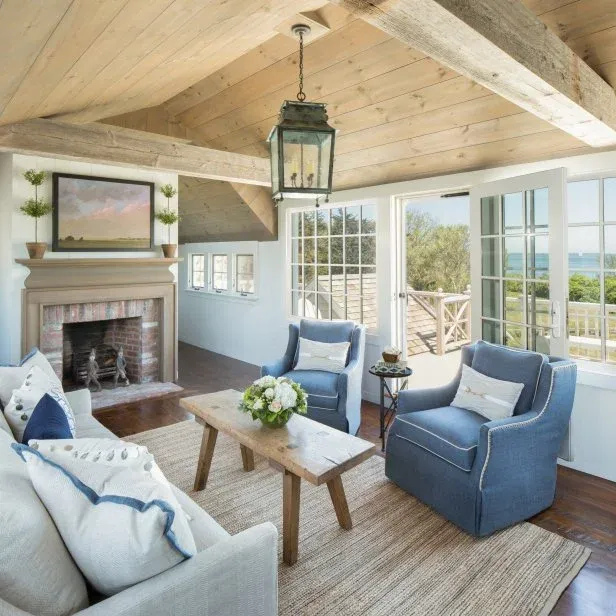
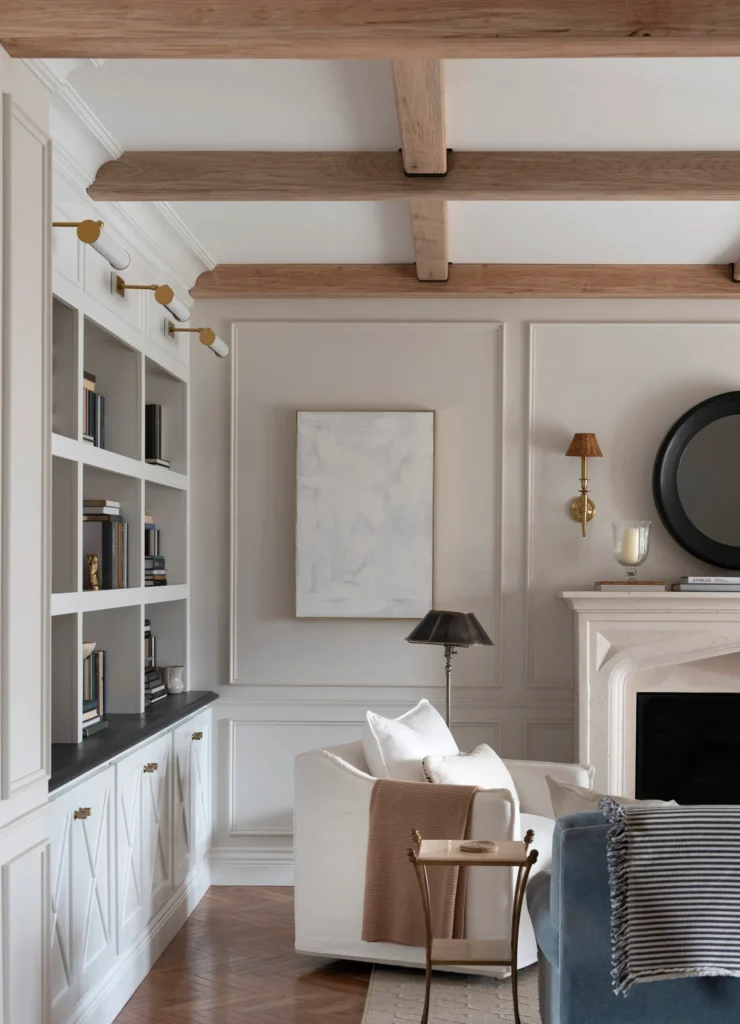


A very common reason homes feel unfinished is that each room is decorated as a separate project. Individually, the living room may look beautiful, the bedroom may feel cozy, and the dining area may be stylish—but when you move through the home as a whole, there is no connection between these spaces. This lack of continuity breaks the overall experience of the home.
When rooms are decorated in isolation, the home feels visually fragmented. Colors change abruptly, materials clash, and décor styles shift without transition. Even though every room looks good on its own, the house does not feel cohesive or thoughtfully designed. Instead of flowing naturally, it feels like a collection of unrelated spaces.
Why Visual Flow Matters
Visual flow is what makes a home feel calm, intentional, and complete. It allows the eye to move smoothly from one room to another without feeling disrupted. When there is no flow, the home feels restless and disjointed, which subconsciously creates the feeling that something is still unfinished.
This issue is especially noticeable in open layouts or homes where multiple rooms are visible at once. Without shared visual elements, the space lacks harmony, even if expensive décor has been used.
Solution: Create Continuity Across Rooms
The solution is not to make every room look identical, but to create subtle connections between them. This can be achieved by repeating a few key elements throughout the home:
- Repeating colors:
Use one or two common colors across multiple rooms—through cushions, curtains, wall art, or décor accents. This instantly ties spaces together. - Repeating materials:
Similar finishes such as wood tones, metal accents, or fabric textures create a sense of unity without feeling repetitive. - Repeating motifs or design elements:
This could be a recurring pattern, shape, frame style, or décor theme that appears in different rooms in different forms.
When rooms share these visual cues, the home begins to feel connected and intentional. Each space retains its own personality, but together they tell one cohesive story.
A finished home is not about perfect rooms—it is about how well those rooms relate to one another.
12. Quick Checklist: Is Your Home Truly ‘Finished’?
Sometimes, the reason your home still feels incomplete is not one big mistake, but a combination of small missing details. Before adding more décor or changing furniture, it helps to pause and evaluate your space objectively. This quick checklist acts as a final filter to identify what is still lacking and why the home does not yet feel settled or complete.
Use this checklist room by room, or for the home as a whole.
✔ Theme Consistency
Ask yourself whether your décor follows a clear design direction. Do the furniture, wall décor, and accessories support one dominant style, or do they feel randomly mixed? A finished home maintains a consistent visual language, even if different rooms have slight variations.
✔ Balanced Walls
Look at your walls carefully. Are they thoughtfully decorated, or do they feel either empty or cluttered? Properly balanced walls have correctly sized frames, aligned groupings, or a clear statement piece that connects visually with the furniture below.
✔ Layered Lighting
Check your lighting after sunset. Does the room rely only on one ceiling light, or does it include table lamps, wall lights, or soft accent lighting? Finished homes always use layered lighting to create warmth, depth, and mood.
✔ Styled Surfaces
Observe your tables, shelves, and consoles. Are they styled with intention, or are they left empty? Styled surfaces include a mix of functional and decorative items—grouped thoughtfully to add visual interest without clutter.
✔ Personal Elements
Finally, ask if the home reflects you. Are there personal photographs, meaningful décor pieces, or spiritual elements that create emotional connection? A home feels truly finished only when it tells a personal story, not just a design one.
If most of these boxes are checked, your home is likely close to completion. If a few are missing, you now know exactly where to focus—without unnecessary spending or overdecorating.
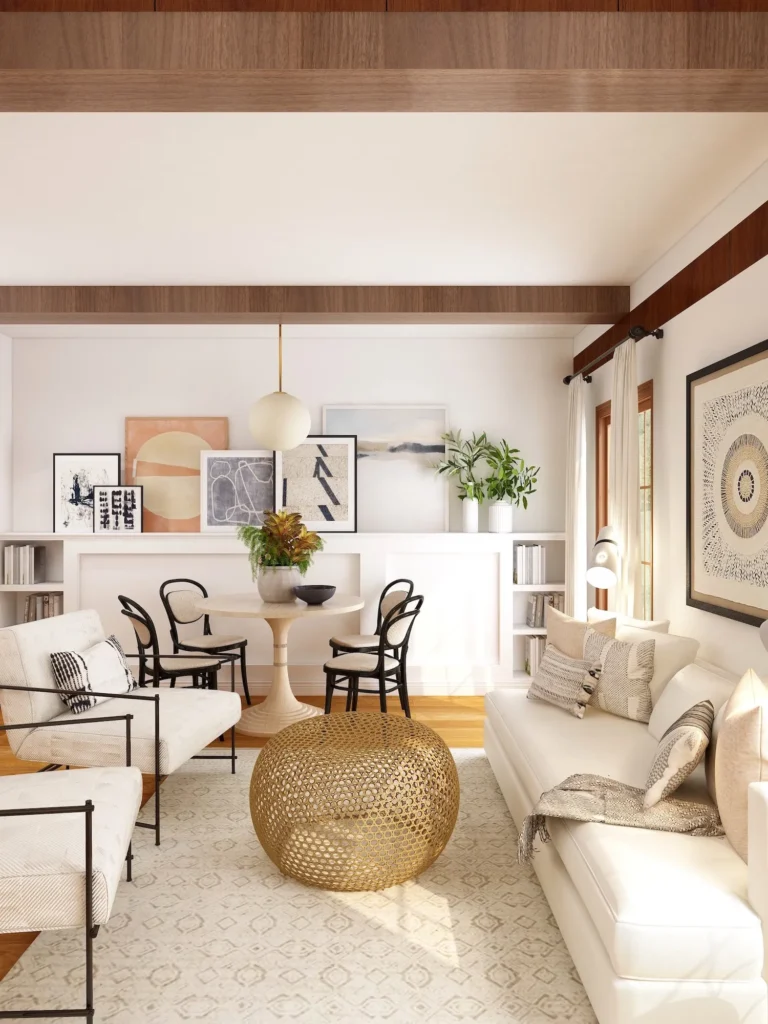


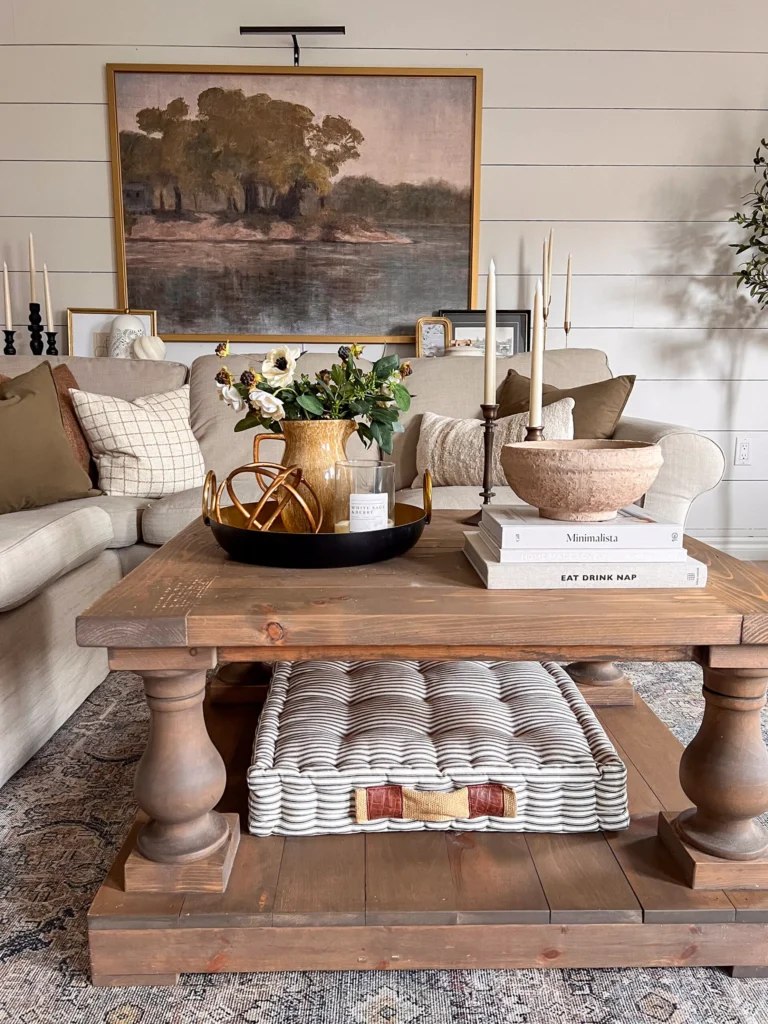

Final Thoughts: A Finished Home Is About Balance, Not Budget
A common misconception in home décor is that a beautiful, finished home requires expensive furniture and high-end décor. In reality, budget has very little to do with how complete a space feels. Many homes with costly décor still feel unfinished, while others with simple, affordable elements feel warm, cohesive, and inviting.
The difference lies in balance and intention.
Expensive décor does not automatically create harmony. Without proper placement, scale, lighting, and flow, even premium pieces can feel disconnected. A finished home is not about how much you spend, but about how thoughtfully each element is chosen and positioned. When décor works together rather than competing for attention, the space naturally feels complete.
Thoughtful placement brings clarity to a room. Balanced walls, layered lighting, styled surfaces, and a clear focal point all contribute to visual harmony. These design principles cost very little to implement, yet they dramatically change how a space feels. Often, simply rearranging existing décor or removing excess items creates more impact than buying something new.
Small changes truly deliver big transformation. Replacing cushion covers, adding a table lamp, grouping décor items more intentionally, or introducing one meaningful piece can instantly elevate a room. These subtle adjustments refine the space and give it a finished, polished look without overwhelming it.
A finished home is not about perfection or excess—it is about comfort, cohesion, and connection. When your home feels balanced and reflects who you are, it will always feel complete, regardless of budget.
Explore Our Other Articles
-
Why Home Décor Gifts Are Better Than Clothes, Chocolates & Cash

Introduction: The Most Common Gifting Confusion We All Face Every celebration brings joy—but it also brings confusion. Birthdays, housewarmings, weddings, festivals, anniversaries, corporate events—no matter the occasion, one question always returns: “What should I gift?” Most people default to the same three options: They are familiar, easily available, and socially accepted. But deep down, most…
-
Why Personalized Cushions Are the Most Thoughtful Gift in 2026 | Top 10 Reasons

Personalized cushions have emerged as the most thoughtful gift in 2026 because they go far beyond decoration or comfort—they carry emotions, memories, and personal meaning. In an era where people are moving away from generic, mass-produced gifts, customized gifting has become the new standard of expressing love, care, and connection. Whether it’s a cherished photograph,…
-
Why Your Home Still Doesn’t Feel Finished After Decorating (And How to Fix It 12 Tips)
Home doesn’t feel finished after decorating—this is one of the most common frustrations homeowners face today. You may have invested in stylish furniture, beautiful wall décor, and trending accessories, yet your space still feels incomplete or visually off. This happens because decorating alone is not the same as proper interior styling. Without balance, focal points,…